BiCranioSacral therapy for pregnancy, postpartum, & infants
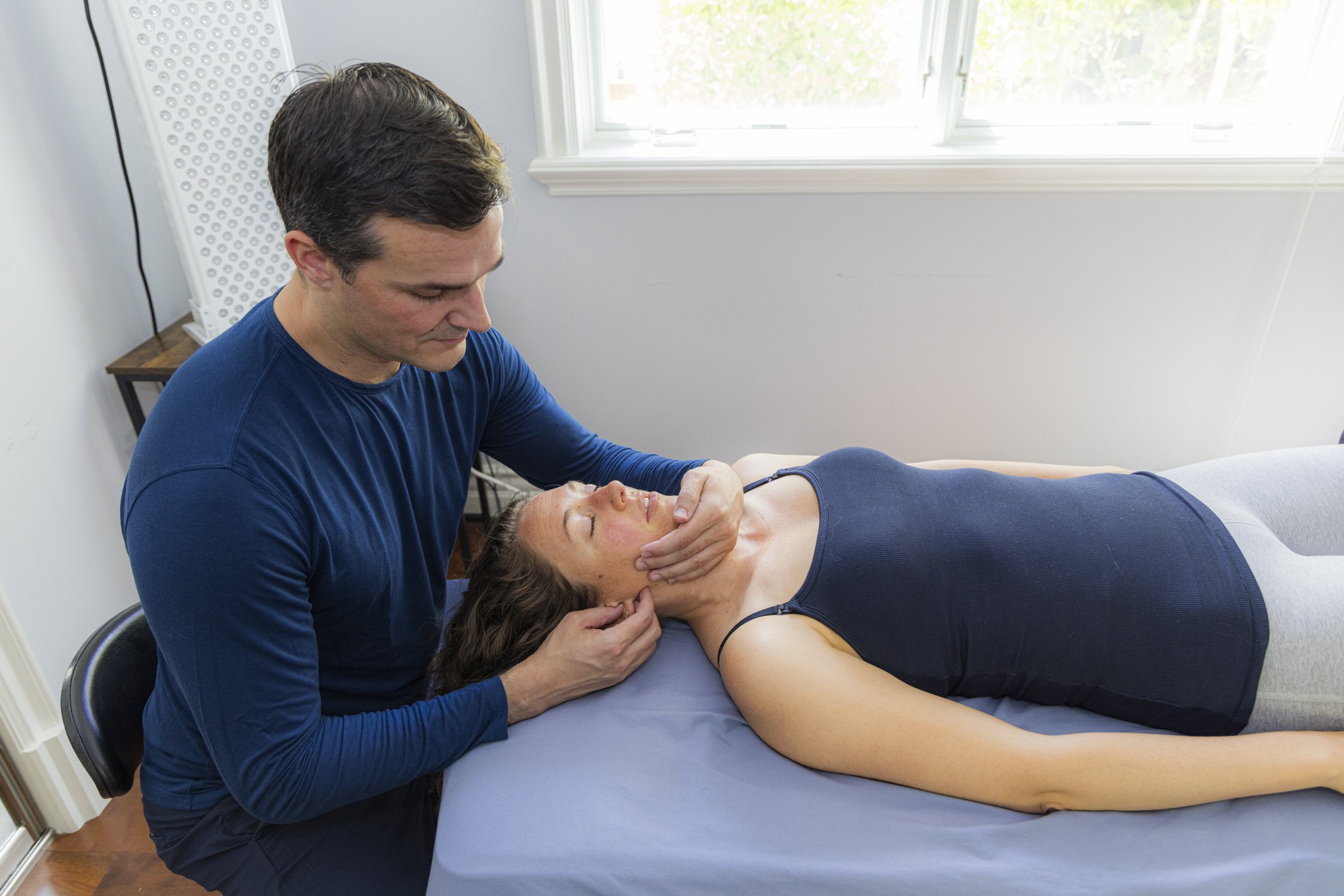
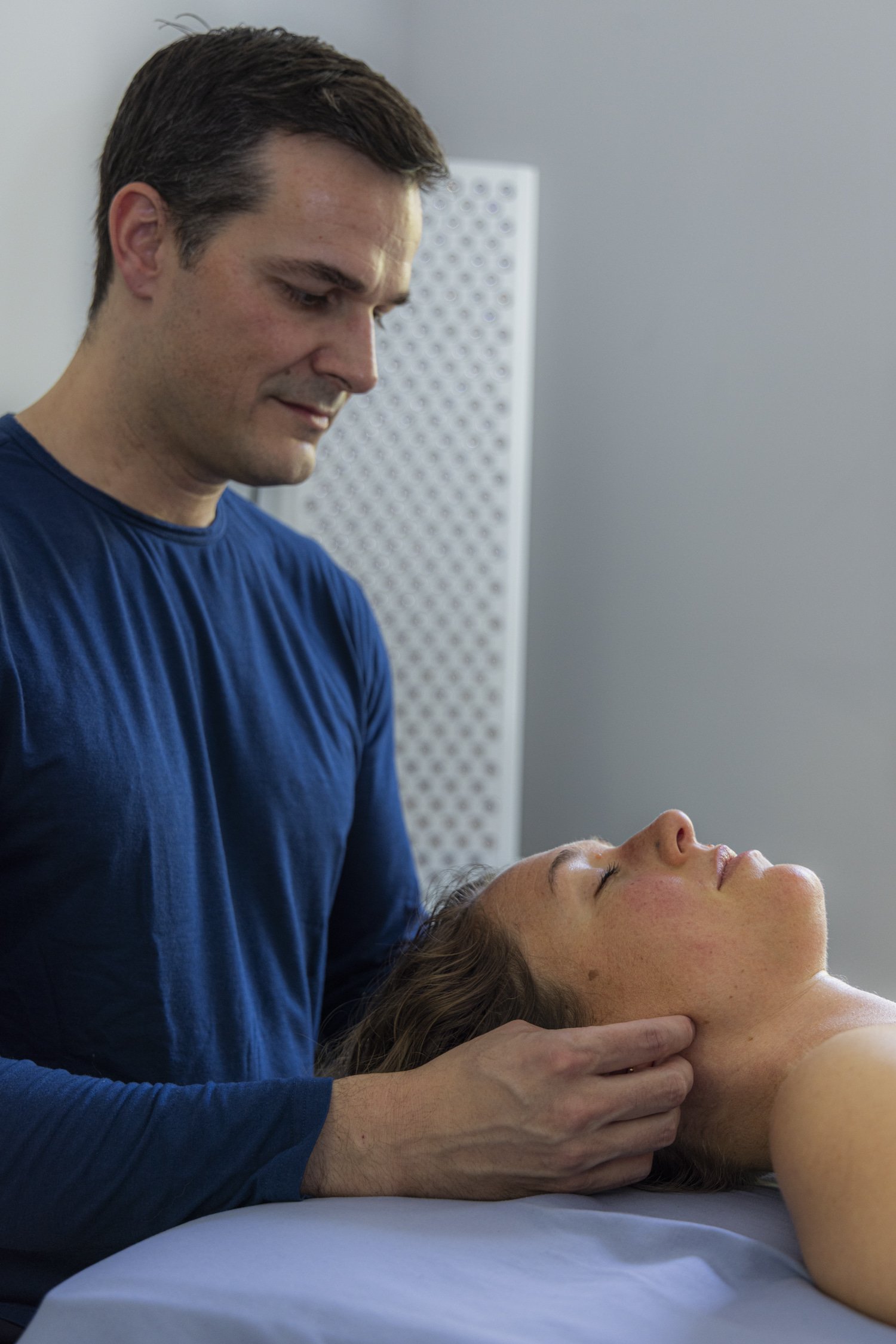
Pregnancy, birth, and the postpartum period bring tremendous physical, emotional, and lifestyle changes. Treatment is individualized and designed to support comfort, recovery, regulation, and well-being during this important transition. Sessions are tailored to your needs, your goals, and the stage of pregnancy or postpartum recovery you are navigating.
“Craniosacral therapy is just very gentle osteopathic manual therapy.” -Carol Gray, founder and director of the Carol Gray Center for CST Studies®
Cranio during pregnancy
Cranio during postpartum
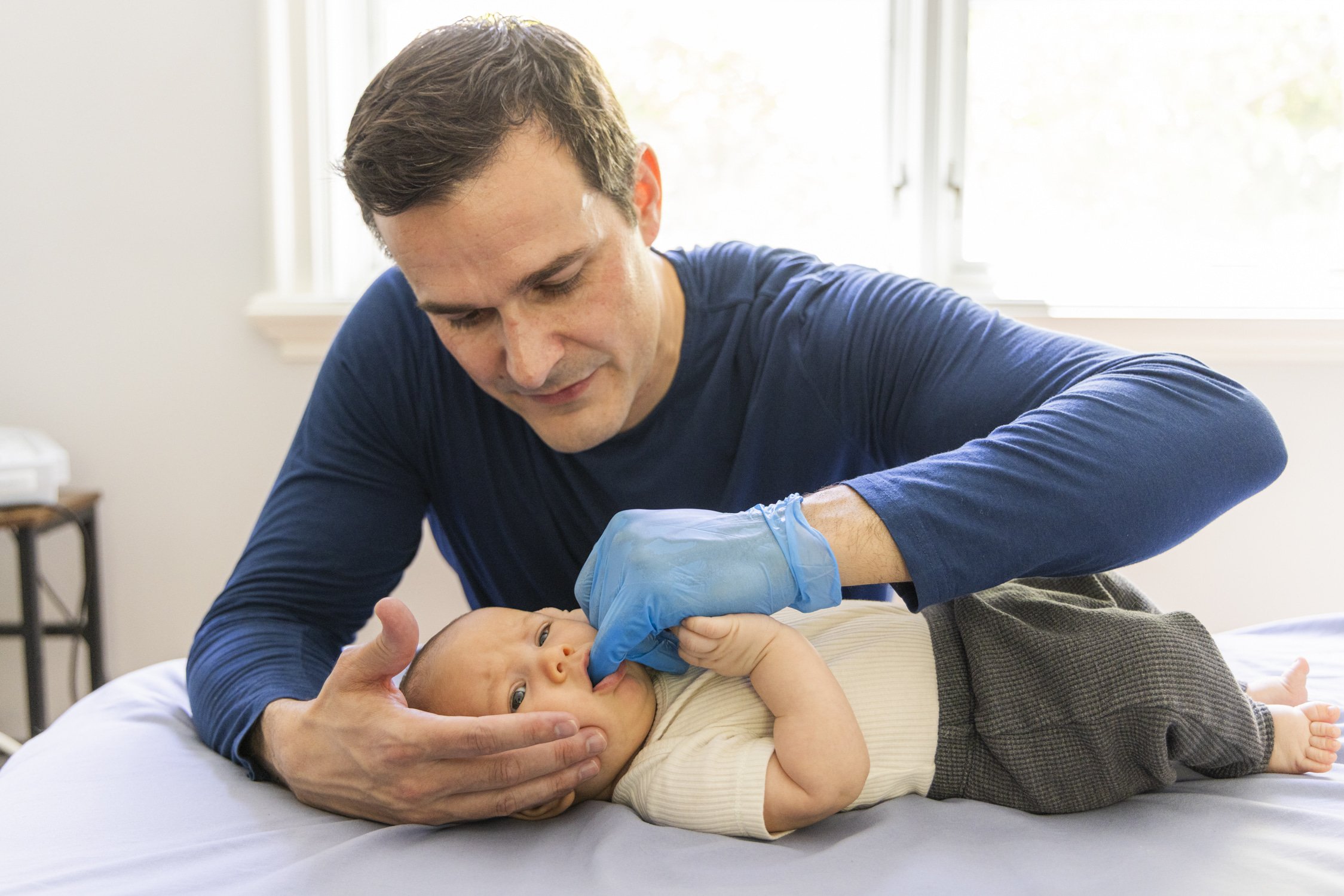
Cranio for infants
Why clients get CranioSacral therapy during pregnancy
Physical discomfort and pain (especially round ligament pain)
Relief of foot, ankle, and plantar fasciitis pain
Back, neck, and pelvis tension
Making more room for baby to grow
Preparation for birth/ Support during major body transition
Nervous system regulation (vagal tone)
Improved breath control
Stress and overwhelm
Referred by families, doulas, and obstetricians.
What Sessions Are Like
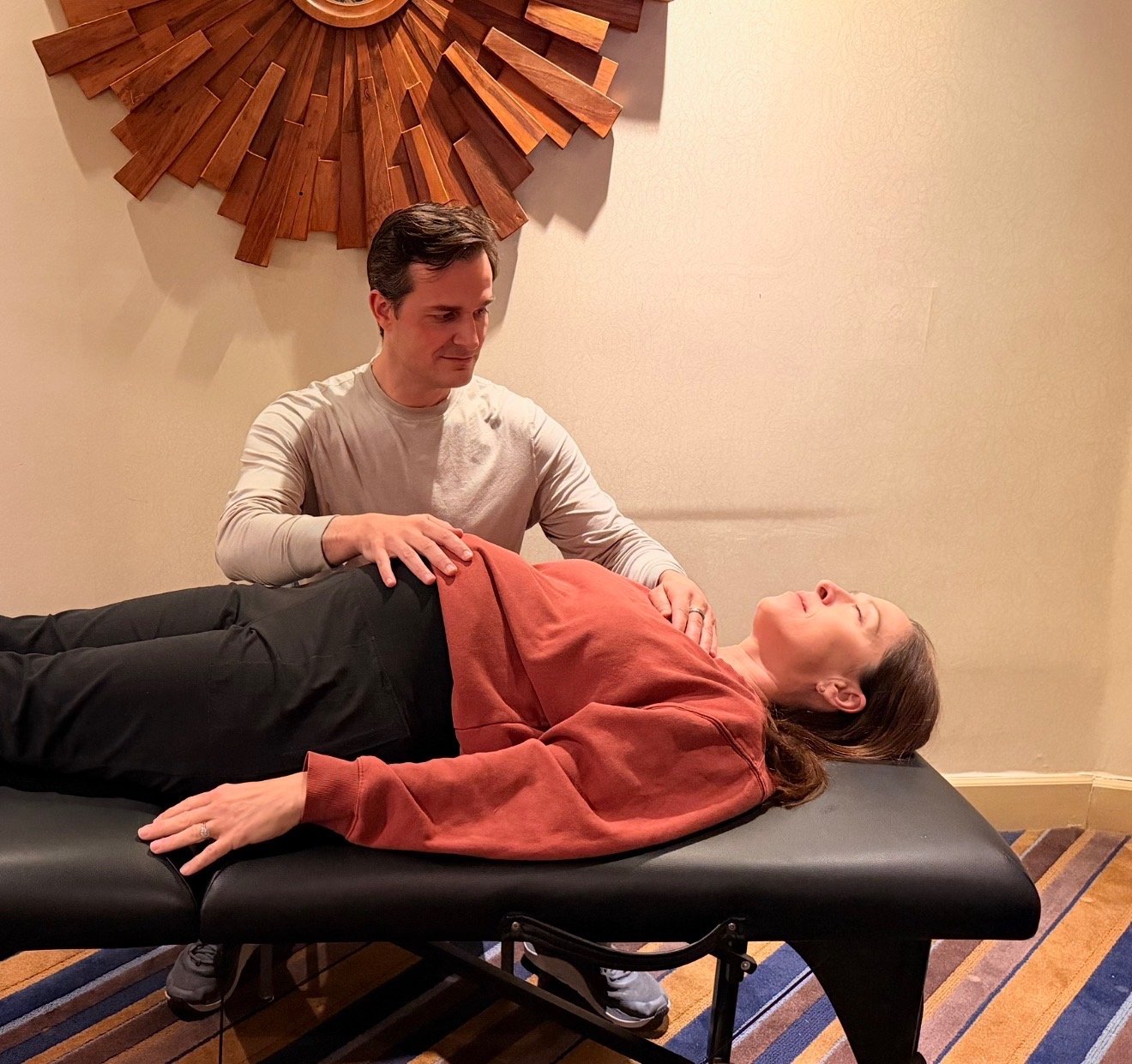
Pregnant clients remain fully clothed during treatment. Sessions are gentle, individualized, and adapted to your comfort and stage of recovery. Treatment includes CranioSacral Therapy and bodywork techniques intended to relieve pain, support comfort, mobility, and overall well-being.
Supporting the Whole Family
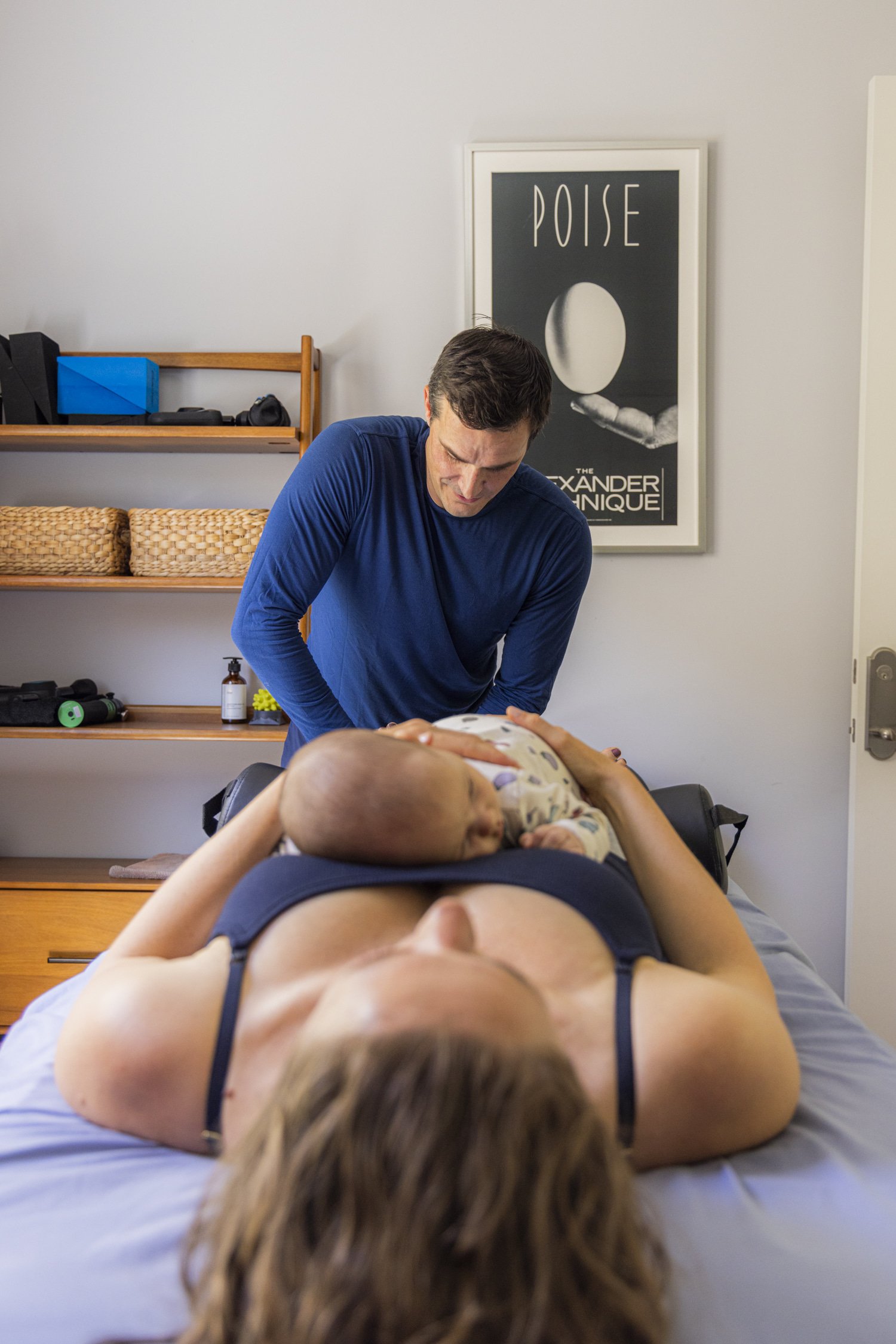
Many families first seek care during pregnancy and continues into the postpartum period. Many clients bring their new babies through infancy, childhood, and into adulthood. Treatment is tailored to your needs.
Physical recovery from birth trauma (especially C-section pain)
Emotional recovery with somato-emotional release dialoguing
Lumbar, pelvis, and sacroiliac joint pain (Coccygeal and sacral strain from delivery is real!)
Back, neck, and hip tension (due to being stuck in flexed positions during baby feedings)
Headaches (especially post-dural-puncture headaches)
Dysautonomia - A postpartum nervous system is sleep-deprived, hypervigilant, often in a sympathetically biased state
Support during major body transition back to normal
Stress - Sustained light suboccipital and sacral contact drives C-tactile afferent and top-down parasympathetic shifts in someone who is chronically sympathetically loaded
Feeding and breastfeeding support
Nervous system regulation
Why clients get CranioSacral therapy during postpartum
C-section scar tissue can often be excessive or dysfunctional, creating:
Lower abdominal pain or pulling sensations
Adhesions
Hip or low back discomfort
Restricted mobility in the core, pelvis, or hips
Pain with exercise, sex, or movement
Digestive issues or bloating
Pelvic floor dysfunction or urinary problems
Numbness, burning, or hypersensitivity around the scar
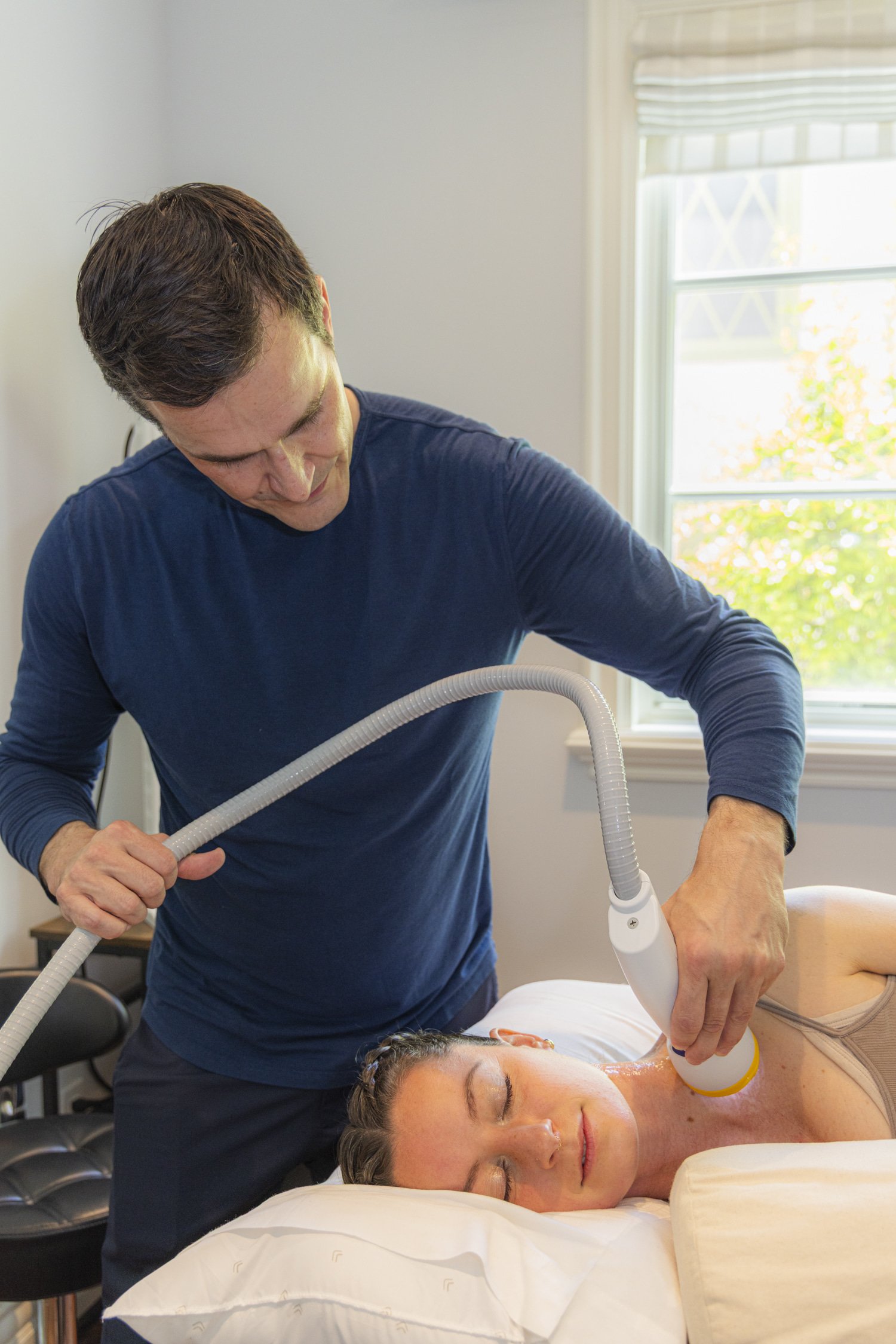
Why SoftWave is now used for C-section scars
The Science Behind the Healing
SoftWave stimulates a cascade of regenerative biological processes, including:
VEGF (Vascular Endothelial Growth Factor): Stimulates new blood vessel growth to bring oxygen and nutrients to healing tissues
eNOS (Endothelial Nitric Oxide Synthase): Promotes blood flow and nerve repair
Neoangiogenesis: Restores microcirculation that may be damaged by surgical trauma
PCNA (Proliferating Cell Nuclear Antigen): Supports cellular growth and healing
Toll-like Receptors: Modulate immune response and inflammation
Stem Cell Activation: Helps recruit and direct the body’s natural repair cells to the area of injury
Reduction of Fibrosis: Gently remodels abnormal tissue density without further trauma
Why clients get CranioSacral therapy for their newborns and infants
Tongue-tie fascial release (I was able to completely release my daughter’s tongue-tie in 6 weeks with CranioSacral work!)
Feeding & Tongue function
Feeding challenges/ difficulty latching
Before and after oral tie release support
Buccal tie fascial release
Comfort & Regulation
Reducing tension of positional preference in supine or prone
Head turning preference for one side
Torticollis
Plagiocephaly
Colic (usually digestive discomfort)
Sleeping challenges
Why infant appointments are in 30 minute intervals
Honestly, their bones are mostly cartilage, and their muscles underdeveloped, so their bodies change very quickly.